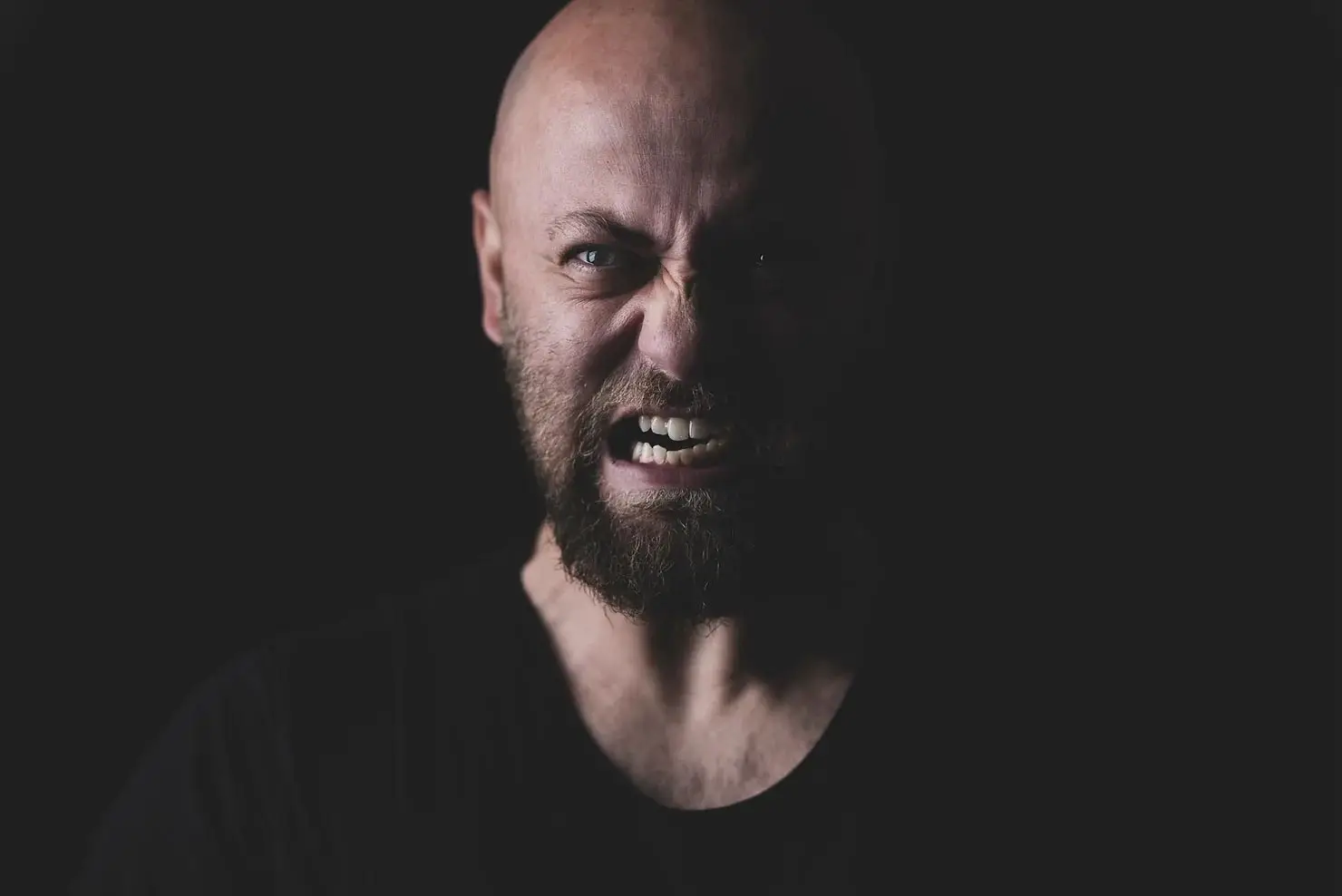


Anger is the one emotion most men are allowed to show. Sadness, fear, shame, grief — these get suppressed early. But anger gets a pass. It can look like strength. It fits the familiar template.
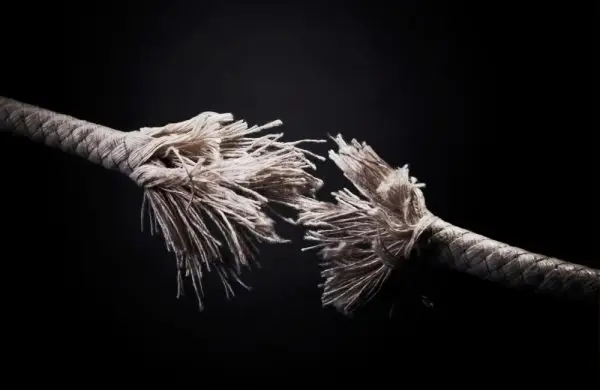
The problem is that anger is rarely just anger. For most men, it is the surface expression of something they haven't had the language or the space to reach.
What anger is often covering
Underneath most men's anger, if you follow it far enough, you find one of a handful of things: grief, fear, sadness, shame, or a deep sense of not being heard. A man who erupts at a small frustration is rarely reacting to that frustration. He is reacting to everything that has accumulated, unspoken, behind it.
This is not a character flaw. It is the predictable result of a culture that teaches boys to suppress almost every feeling except anger. The pipeline from pain to anger is well-worn and largely automatic — many men genuinely don't know what they're feeling beyond the anger itself. Part of what makes this so persistent is that the underlying material often has roots that go back a long way, as explored in our piece on the father wound and the mother wound.
The two kinds of anger
It helps to distinguish between two things that get called anger. One is reactive — the eruption, the disproportionate response to something small, the anger that damages relationships and leaves a man ashamed afterward. Most men are familiar with it.
The other is what might be called clean anger — a direct expression of a boundary being crossed or a need not being met. This kind is healthy. It communicates something real and specific. The problem is that most men haven't learned to access it. The reactive kind tends to arrive instead, especially when the underlying feelings have no other outlet.
Anger that has nowhere to go
One of the most consistent patterns men encounter when they begin doing honest emotional work is the discovery of accumulated anger they didn't know they were carrying — a quieter, older version. Anger at a father who was absent or harsh. Anger at situations where a man felt powerless and had no way to say so.
This is part of what shadow work brings to the surface. The shadow often contains not just feelings a man is ashamed of, but feelings that were simply never given a legitimate place. Suppressed over years, they show up as chronic tension, hair-trigger reactivity, a persistent low-grade resentment he can't quite explain. This pattern connects closely to what we explore in grief and loss — the two are often the same material, surfacing in different forms.
What happens when anger finally gets space
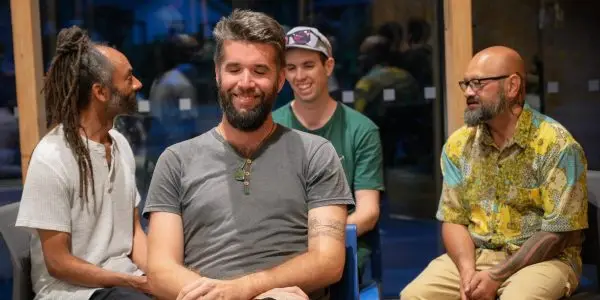
In a men's group, anger can be given a proper container. Not suppressed, not performed, not aimed at anyone — but named, expressed honestly, and witnessed. Men who finally get genuine space to speak often find that what comes out alongside the anger is what was underneath it all along: grief, fear, the pain of not having been seen.
This process tends to reduce reactivity rather than increase it. Men become quicker to identify what's bothering them and more able to name it directly before it builds. That's part of the deeper work a group makes possible — the pipeline from pain to explosion gets interrupted because the pain now has somewhere else to go.
Anger and accountability
One of the harder things men encounter when they look closely at their anger is the recognition of harm done. Things said in eruption that can't be unsaid. The look on a child's face. A relationship that carried the weight of it too long. This recognition carries its own risk: shame spiralling from regret into self-attack into the defensiveness that made the anger hard to address in the first place.
A men's group holds both things at once: honest acknowledgement of harm, and the understanding that a man is not simply his worst moments. Accountability without self-destruction. That combination is rare, and it creates a very useful space for men genuinely trying to change.